

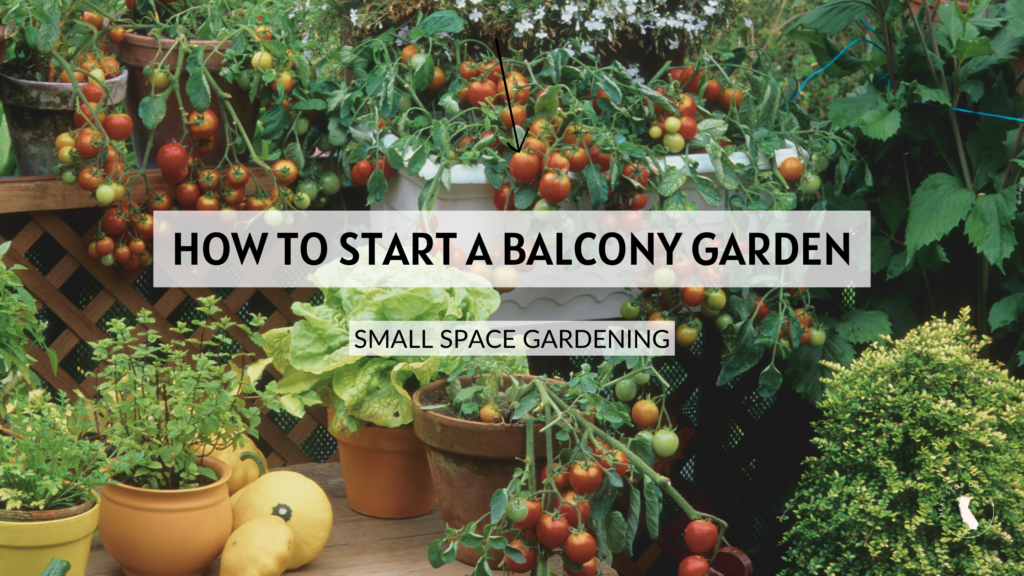
Imagine stepping onto your balcony and being greeted by lush greens, vibrant herbs, and fresh vegetables—your very own little oasis in the city. For a long time, I thought gardening was only for those with sprawling backyards and endless space, but after moving to California, I realized that growing food—even in the smallest of spaces—is completely possible (and incredibly rewarding!). When I first started my balcony garden, I had no idea where to begin, but thanks to the amazing advice from my community, I’ve learned so much about making the most of a patio-sized garden. In this guide, I’ll share everything I’ve discovered—from the best veggies to grow in small spaces to practical tips on maximizing sunlight, choosing the right containers, and designing a functional yet beautiful setup. Whether you have a tiny balcony, a small patio, or just a sunny windowsill, this post will help you turn your space into a thriving mini garden—one step at a time!
Shop This Post
1. Choosing the Right Space & Setup
Before you start planting, take a good look at your available space. Even the smallest balconies or patios can be transformed into productive gardens with the right setup! Thoughtful planning will ensure your plants thrive while maximizing every inch of space.
Assessing Your Space
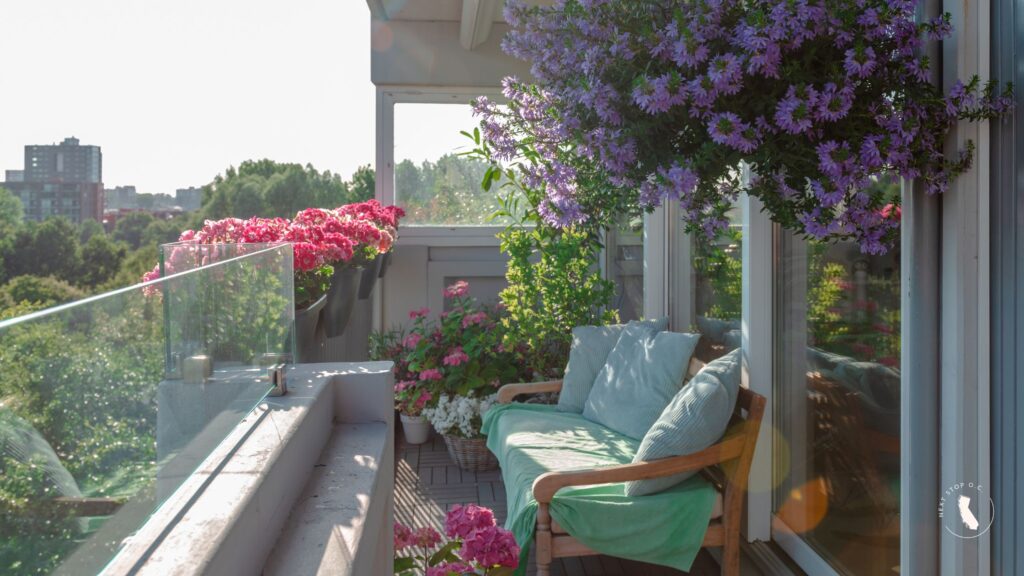
Sunlight Matters
Understanding your light conditions is key to a successful balcony garden. Here’s how to assess your space:
- Track your sunlight: Spend a day observing how much sun your balcony receives. Is it full sun (6+ hours), partial sun (4–6 hours), or mostly shaded (less than 4 hours)?
- Morning vs. afternoon sun: East-facing balconies get gentle morning sun, while west-facing ones get hotter afternoon rays. South-facing balconies get the most sun, and north-facing ones may be shaded.
- Adjust as needed: If your balcony is too shady, consider shade-loving greens like spinach, lettuce, or chives. If it's too sunny, use shade cloths to protect delicate plants from intense heat.
Wind Exposure
- Higher balconies, especially in high-rise buildings, often face strong winds, which can dry out soil quickly or damage fragile plants.
- Windbreak solutions: Use privacy screens, bamboo panels, or clear acrylic barriers to reduce wind impact without blocking light.
- Heavy-bottomed pots: If winds are strong, opt for sturdy, wide-based containers to prevent tipping.
Weight Limitations
- Balconies have weight restrictions, so check with your building management before adding heavy raised beds or large containers.
- Opt for lightweight materials like fabric grow bags, plastic or resin pots, and vertical garden systems instead of ceramic or concrete planters.
- If using multiple containers, distribute them evenly across your space to avoid excessive weight in one area.
Containers vs. Raised Beds
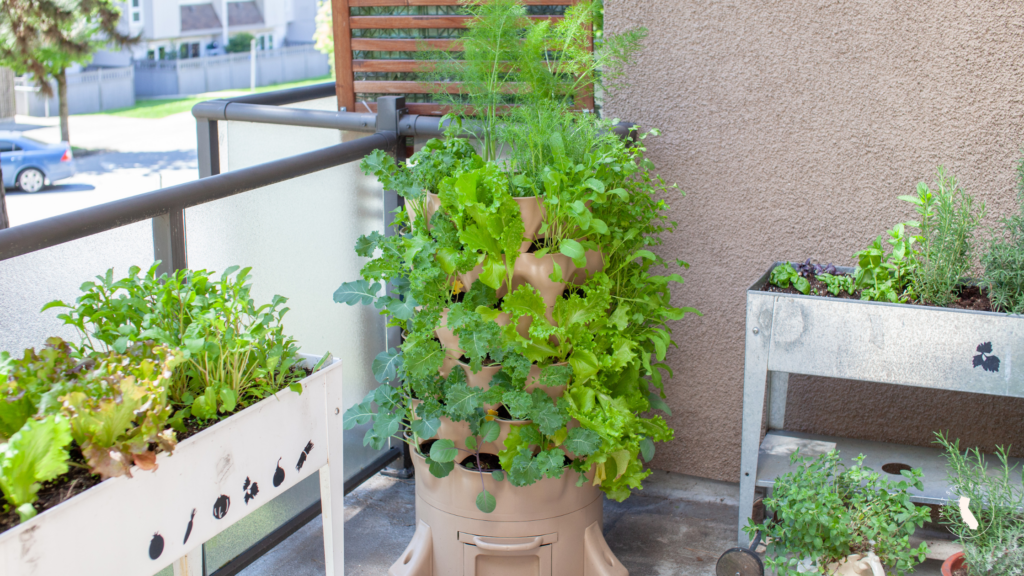
Your container choice will impact drainage, soil health, and plant success.
Containers
Ideal for small balconies and patios, containers give you flexibility and mobility. When choosing the right ones:
- Size matters: Bigger pots retain moisture better, reducing the need for frequent watering.
- Material choices:
- Fabric grow bags: Breathable, lightweight, and excellent for root aeration.
- Terracotta pots: Aesthetic and natural but dry out quickly.
- Plastic & resin containers: Budget-friendly and retain moisture well.
- Drainage is key: Always pick pots with drainage holes or add a layer of pebbles at the bottom to improve water flow.
Raised Beds & Planter Boxes
For patios with more room, raised beds allow for deeper root growth and a more structured garden setup.
- Best for patios & larger balconies: Perfect if you want to grow root vegetables like carrots or potatoes.
- Self-watering options: Some raised beds come with built-in reservoirs to reduce watering frequency.
- Wood vs. metal: Cedar and redwood planters resist rot, while galvanized metal beds last longer and withstand weather changes.
Vertical Gardening for Maximum Space
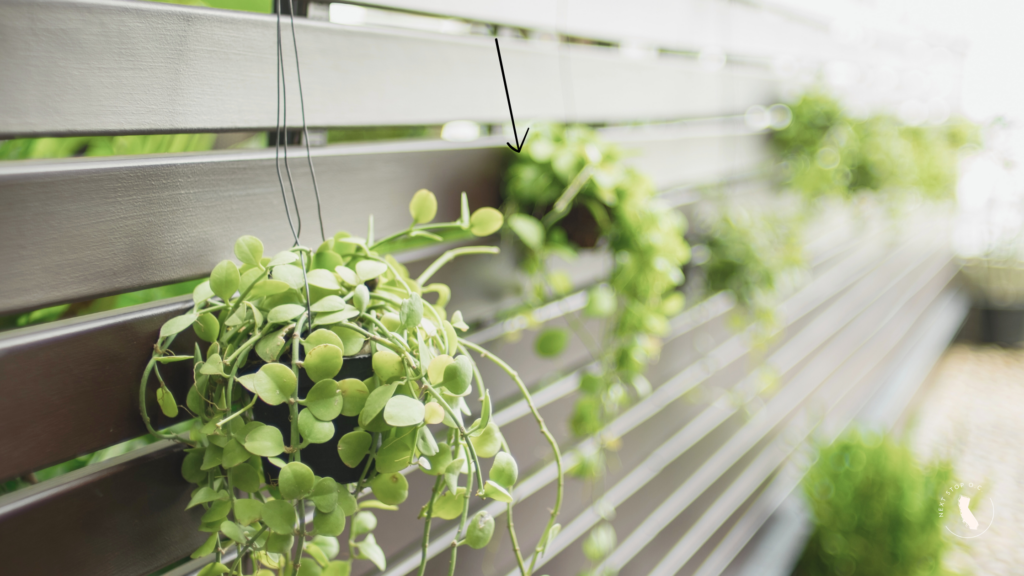
When space is tight, think up instead of out! Vertical gardening is a game-changer for small spaces.
Best Vertical Gardening Methods:
- Hanging Planters: Perfect for strawberries, herbs, or trailing flowers. Hang them from the balcony ceiling or a railing-mounted system.
- Wall-Mounted Shelves & Pockets: Use floating shelves, tiered racks, or fabric shoe organizers to grow greens and small plants.
- Trellises & Climbing Supports: Encourage plants like tomatoes, cucumbers, and pole beans to grow upward using trellises or bamboo stakes.
DIY & Budget-Friendly Vertical Gardening Hacks:
- Repurpose an old wooden ladder as a tiered plant stand.
- Use a hanging shoe organizer to grow herbs and flowers in each pocket.
- Attach wire grids or pegboards to a wall and hang lightweight pots from hooks.
Final Setup Tips for a Functional Balcony Garden
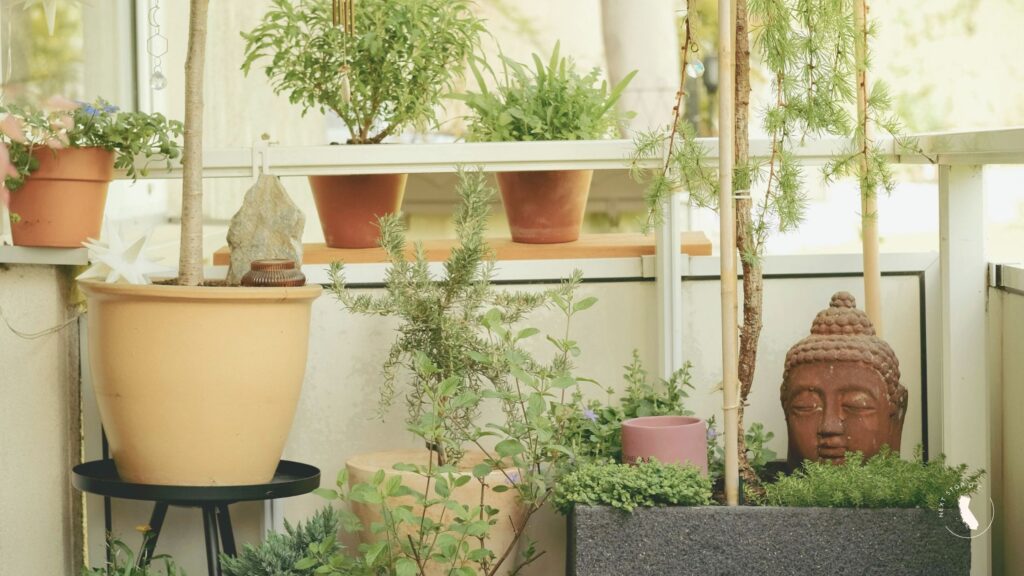
- Group plants based on sunlight & watering needs to make maintenance easier.
- Use rolling plant caddies to move pots around for the best sun exposure.
- Add a small table or bench so you can enjoy your garden as a cozy outdoor retreat!
By thoughtfully designing your space, you’ll create a beautiful and productive balcony garden that fits your lifestyle. Now, let’s move on to choosing the best vegetables and herbs to grow in small spaces!
2. Best Vegetables & Herbs for Small-Space Gardening
One of the biggest advantages of container gardening is that you can grow a surprising variety of herbs, vegetables, and even fruits in a small space. However, not all plants thrive in pots, and some require more space than a small patio or balcony can offer. To get the best results, focus on compact, high-yield, and container-friendly plants that don’t require deep soil or sprawling vines.
Easy-to-Grow Picks for Beginners
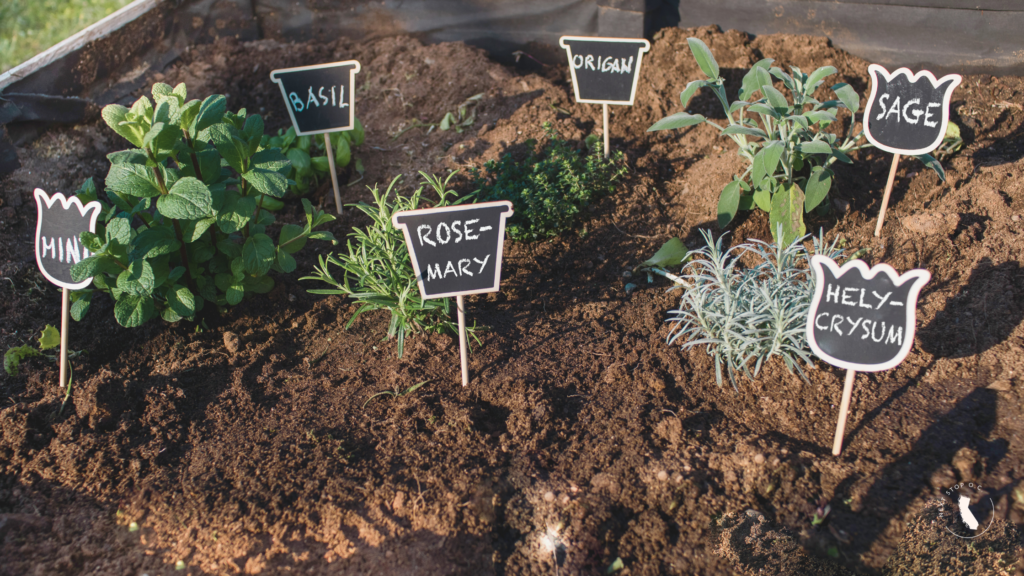
If you’re new to gardening, start with low-maintenance plants that are resilient, fast-growing, and don’t require extensive care. Here are some of the easiest vegetables and herbs to grow in small spaces:
Herbs (Perfect for Beginners & Small Containers)
Herbs are some of the easiest plants to grow and are perfect for container gardening. They don’t require much space, many thrive indoors as well as outdoors, and you can harvest them continuously.
- Basil: Loves warm weather and full sun. Keep harvesting leaves to encourage bushy growth.
- Mint: Extremely hardy! Keep it in its own pot to prevent it from taking over other plants.
- Chives: Tolerates partial shade and comes back year after year.
- Parsley: Great for garnishes and cooking; grows well in small pots.
- Thyme: A drought-tolerant herb that thrives in containers and is great for seasoning.
- Rosemary: Woody and fragrant, rosemary can be grown as a small potted shrub.
Best Containers: Small to medium pots (6-10 inches deep).
Pro Tip: Group herbs with similar watering needs together. For example, rosemary, thyme, and oregano prefer drier soil, while basil and parsley like more moisture.
Leafy Greens (Quick & Continuous Harvests!)
Leafy greens are ideal for balcony gardens because they grow quickly, don’t need deep soil, and can be harvested multiple times throughout the season.
- Lettuce: Perfect for continuous harvesting (“cut and come again” method).
- Spinach: Thrives in cool weather and partial shade.
- Kale: A nutrient powerhouse that grows well in containers and can handle light frost.
- Arugula: Adds a peppery kick to salads and grows rapidly.
Best Containers: Shallow pots or window boxes (6-8 inches deep).
Pro Tip: Plant leafy greens in succession (a few seeds every 2 weeks) to keep a steady harvest instead of getting everything at once.
Compact Vegetables (Small But Mighty!)
Many vegetables that would normally require a garden bed can still thrive in containers, as long as you choose dwarf or bush varieties designed for small spaces.
- Cherry Tomatoes: High-yield and perfect for patios! Look for “Tiny Tim” or “Patio Princess” varieties.
- Peppers: Bell peppers, jalapeños, and banana peppers grow well in pots.
- Radishes: Fast-growing (ready in as little as 25 days!) and don’t need much room.
- Green Onions: Great for small spaces and can even regrow from kitchen scraps!
Best Containers: Medium to large pots (10-12 inches deep).
Pro Tip: Use cages or stakes to support tomatoes and peppers as they grow taller.
Root Vegetables (Deep Containers Required!)
Root vegetables can thrive in small gardens if they have enough soil depth. If you’re willing to invest in deep containers, these veggies are a great option:
- Carrots: Choose “Parisian” or “Thumbelina” varieties for shallow pots.
- Beets: Grow well in medium-sized containers and are ready to harvest in about 8 weeks.
- Radishes: Quick-growing and great for succession planting.
- Turnips: Great for both their roots and edible greens.
Best Containers: Deep pots or grow bags (12-16 inches deep).
Pro Tip: Use loose, well-draining soil so that roots can grow straight and smooth.
Companion Planting for Small Spaces
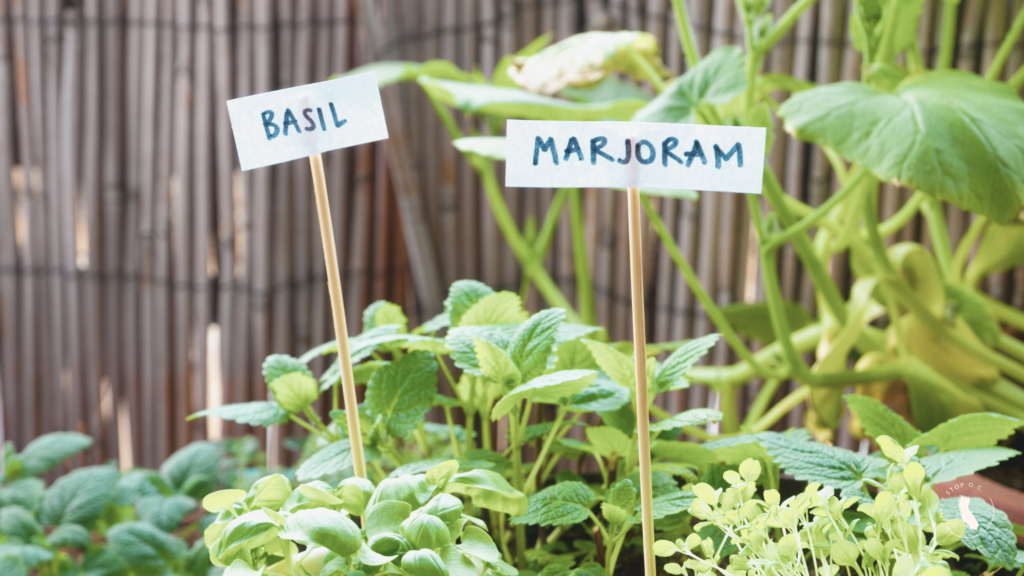
Companion planting is a great way to maximize space, deter pests naturally, and improve plant growth. Some plants thrive when grown together, while others can stunt each other’s growth.
Here are a few easy, balcony-friendly companion planting combos:
Tomatoes & Basil – The Dream Team
- Why it works: Basil enhances tomato flavor and repels aphids and mosquitoes.
- How to plant: Place a small pot of basil near your tomato plant or plant them in the same container with enough space.
Lettuce & Radishes – A Quick & Easy Pairing
- Why it works: Radishes grow fast and don’t compete with lettuce for nutrients.
- How to plant: Scatter radish seeds between lettuce plants for a mixed harvest.
Carrots & Green Onions – Natural Pest Control
- Why it works: Green onions repel carrot flies and other pests.
- How to plant: Mix onion sets and carrot seeds in the same container.
Other Great Small-Space Pairings:
- Peppers & Basil: Boosts flavor and repels pests.
- Strawberries & Thyme: Thyme deters pests that like strawberries.
- Beans & Leafy Greens: Beans add nitrogen to the soil, helping greens thrive.
Final Thoughts on Choosing Your Plants
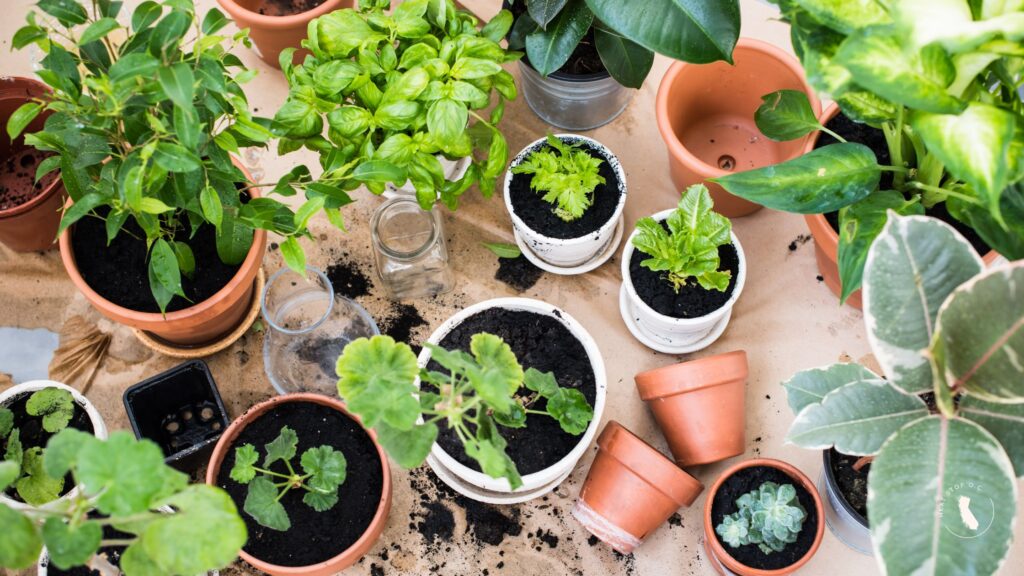
When deciding what to grow, consider:
Your available space (tall vs. bushy plants, deep vs. shallow containers).
Your climate & sunlight conditions (hot vs. cool weather plants).
Your lifestyle (low-maintenance vs. frequent watering).
What you actually like to eat! (Growing food you love is the best motivation).
Starting with easy, container-friendly plants will set you up for success. Up next, let’s talk about how to keep your balcony garden thriving with the best soil, watering, and fertilizing tips!
3. Soil, Watering & Fertilizing Tips
A thriving container garden starts with the right soil, consistent watering, and proper nutrients. Since plants in containers don’t have access to the natural soil ecosystem, it’s important to give them the best possible foundation. Let’s break down how to optimize soil, watering, and fertilization for your small-space garden.
Choosing the Right Soil
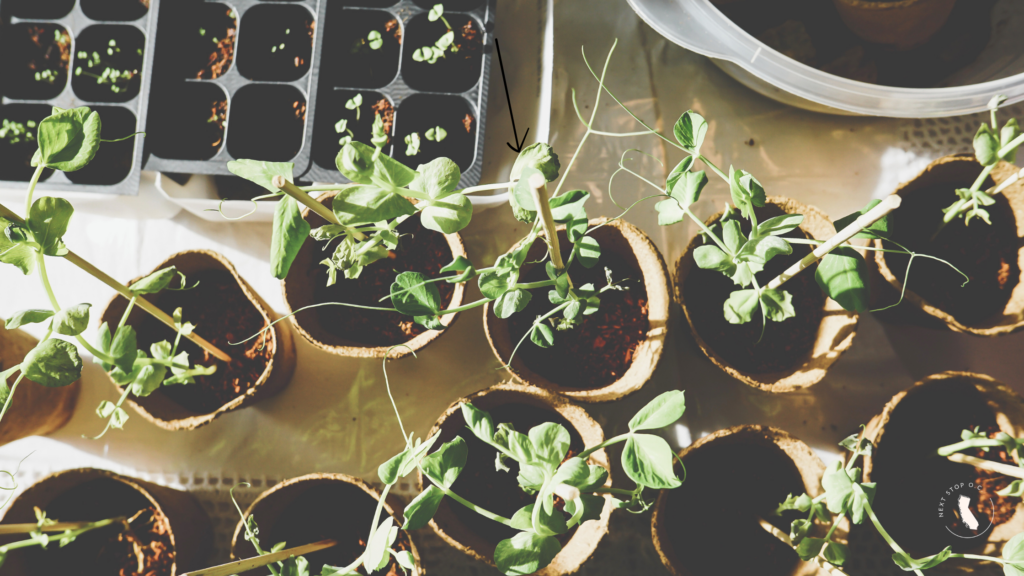
One of the biggest mistakes new gardeners make is using regular garden soil in containers. Unlike ground soil, container soil needs to be lightweight, well-draining, and nutrient-rich.
What to Look for in Potting Mix
- Well-aerated: Air pockets help roots grow deep and strong. Look for soil containing perlite or vermiculite for better aeration.
- Moisture-retentive but well-draining: You want soil that holds moisture but doesn’t become waterlogged. Ingredients like coco coir, peat moss, and compost improve water retention.
- Nutrient-rich: Many potting mixes come with slow-release nutrients, but you can always amend the soil with compost or worm castings.
Avoid Using:
- Garden soil or topsoil – Too dense for containers; compacts easily and restricts root growth.
- Cheap, heavy potting mixes – Some budget potting soils contain too much filler, leading to poor drainage.
Watering Smarter, Not Harder
Watering is one of the trickiest parts of container gardening. Since soil in pots dries out faster than ground soil, you’ll need to be mindful of how and when you water your plants.
Best Watering Practices
- Water deeply, but not too frequently: A deep watering encourages roots to grow downward, making plants more resilient. Instead of shallow daily watering, aim for a deep soak 2-3 times per week, depending on the weather.
- Water in the morning or evening: Avoid watering in the middle of the day when the sun is at its peak—water evaporates too quickly! Early morning is best because it gives plants time to absorb moisture before the heat kicks in.
- Check soil moisture before watering: Stick your finger one inch into the soil—if it feels dry, it’s time to water. If it’s still moist, wait another day.
Self-Watering Containers & Other Solutions
- Self-watering planters: These have built-in reservoirs that keep roots hydrated without overwatering. Perfect for balconies with limited access to a hose!
- Watering spikes or globes: These slowly release water into the soil, helping to maintain consistent moisture.
- Mulching your containers: Add a thin layer of straw, coconut coir, or shredded leaves to help reduce water evaporation and keep roots cool.
Pro Tip: If you struggle to keep up with watering, group plants with similar watering needs together. This makes it easier to care for them efficiently.
Fertilizing for Healthy Growth
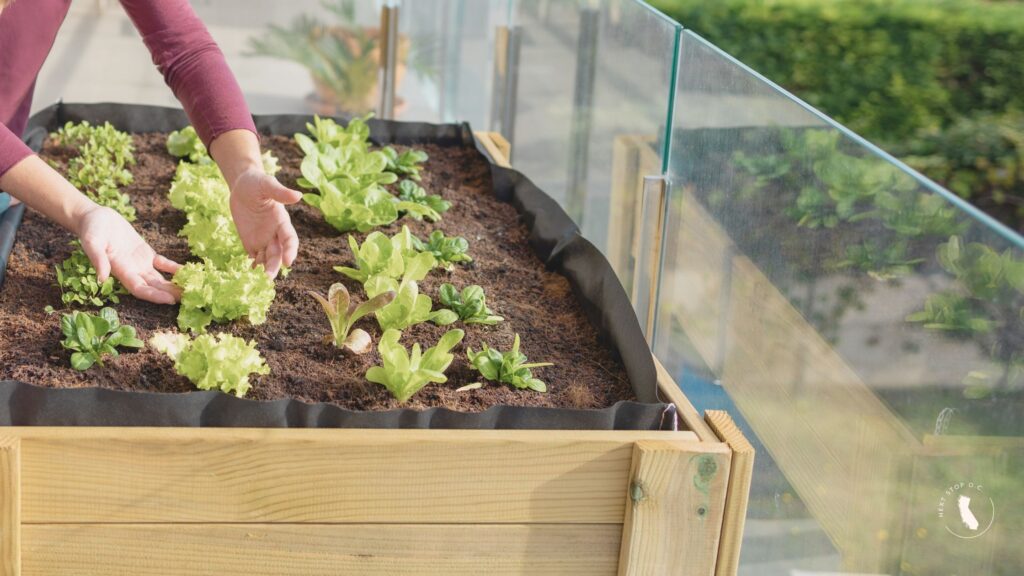
Since container plants can’t pull nutrients from the ground, fertilizing is essential for healthy growth and high yields.
Types of Fertilizers for Container Gardens
- Organic Fertilizers (Slow-Release & Nutrient-Rich)
- Compost or worm castings: Improves soil structure and adds beneficial microbes.
- Fish emulsion: Provides a quick nitrogen boost for leafy greens.
- Banana peel or eggshell tea: Adds potassium and calcium naturally.
- Slow-Release Fertilizers (Best for Busy Gardeners!)
- Pellets or granules that slowly break down and feed plants over 4-6 weeks.
- Good for tomatoes, peppers, and other heavy-feeding plants.
- Liquid Fertilizers (Fast-Acting & Easy to Absorb)
- Compost tea or seaweed extract – A gentle, nutrient-dense liquid you can water plants with weekly.
- Balanced liquid fertilizers (like 10-10-10 or 5-5-5) – Good for all-purpose feeding.
How Often Should You Fertilize?
- Leafy greens & herbs: Light feeders – fertilize every 3-4 weeks.
- Fruiting plants (tomatoes, peppers, cucumbers): Heavy feeders – fertilize every 1-2 weeks once they start flowering.
- Root vegetables (carrots, beets): Moderate feeders – fertilize once a month with a balanced mix.
Pro Tip: Over-fertilizing can cause burned leaves or excessive foliage growth with no fruit production. Stick to recommended amounts and adjust based on plant response.
Final Thoughts on Soil, Watering & Fertilizing
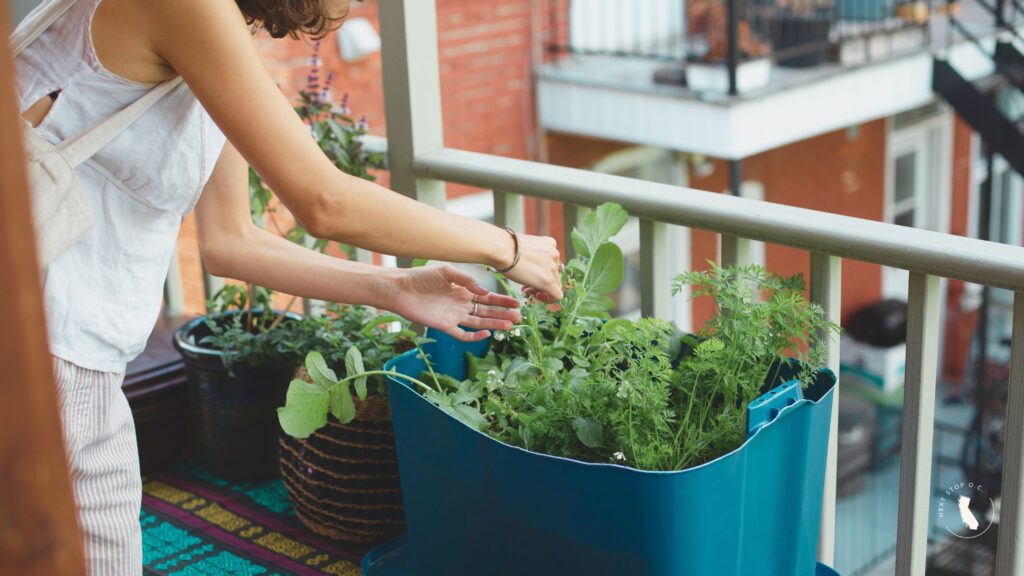
Getting the right balance of soil quality, watering, and nutrients will set your garden up for success.
Use a high-quality, well-draining potting mix.
Water deeply, but only when the soil is dry.
Fertilize based on plant needs to keep them healthy and productive.
By mastering these three elements, you’ll be well on your way to a thriving small-space vegetable garden! Up next, let’s tackle some of the most common small-space gardening challenges—and how to fix them!
4. Common Challenges & Solutions
Even small gardens come with their own set of challenges, but the good news is that they’re all manageable with the right strategies! Whether you’re battling pests, struggling with too much (or too little) sunlight, or dealing with overwatering issues, here are practical solutions to keep your patio or balcony garden thriving.
Pest Control for Small Gardens
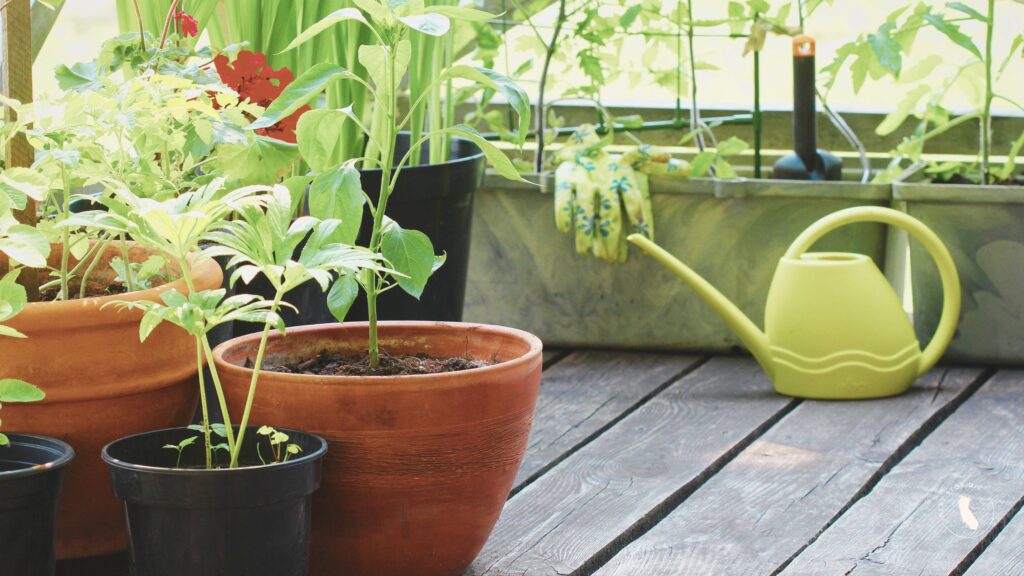
One of the biggest frustrations for gardeners—no matter the size of their space—is dealing with pests. Even in a balcony or patio setting, your plants are vulnerable to aphids, spider mites, and slugs. Here’s how to naturally keep them at bay:
Common Pests & How to Stop Them
Aphids & Whiteflies
These tiny insects suck the sap from leaves, causing them to curl or turn yellow.
Solution:
- Spray your plants with neem oil once a week to prevent infestations. You can also introduce beneficial insects like ladybugs!
Spider Mites
If you see tiny webbing on your plants, you probably have spider mites. They thrive in dry, warm conditions.
Solution:
- Regularly mist the leaves with water (they hate humidity!) and spray with a diluted neem oil mixture.
Slugs & Snails
Slugs and snails love munching on leafy greens like lettuce and basil.
Solution:
- Place crushed eggshells, diatomaceous earth, or coffee grounds around plants to create a natural barrier.
- Hand-pick them out of your garden and re-home them
Managing Limited Sunlight
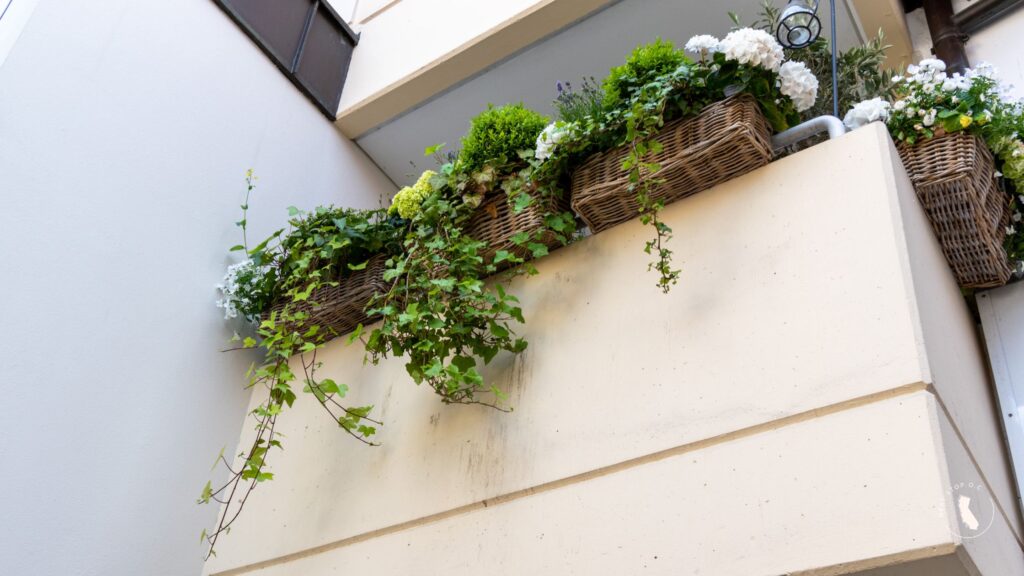
Not all balconies receive direct sunlight, and if yours is mostly shaded, you might struggle to grow sun-loving crops like tomatoes and peppers. But don’t worry—there are plenty of shade-tolerant plants and creative ways to increase light exposure.
Best Crops for Low-Light Conditions
If your space gets less than 4 hours of direct sunlight, try these:
Herbs: Mint, chives, parsley, cilantro
Leafy Greens: Spinach, lettuce, kale, Swiss chard
Root Vegetables: Carrots, radishes, beets (they need partial sun but will tolerate some shade)
Pro Tip: Plants in low-light conditions grow more slowly, so be patient and avoid overwatering, since damp soil takes longer to dry out in shade.
How to Maximize Light in a Small Garden
- Use Reflective Surfaces: Place mirrors, white panels, or aluminum foil behind your plants to bounce light onto them.
- Grow Vertically: Arrange plants so taller ones don’t cast shade on shorter ones.
- Rotate Pots: If possible, rotate your pots every few days to ensure even exposure.
- Consider LED Grow Lights: If your space is very shaded, supplement with full-spectrum grow lights to mimic sunlight.
Overwatering & Drainage Issues
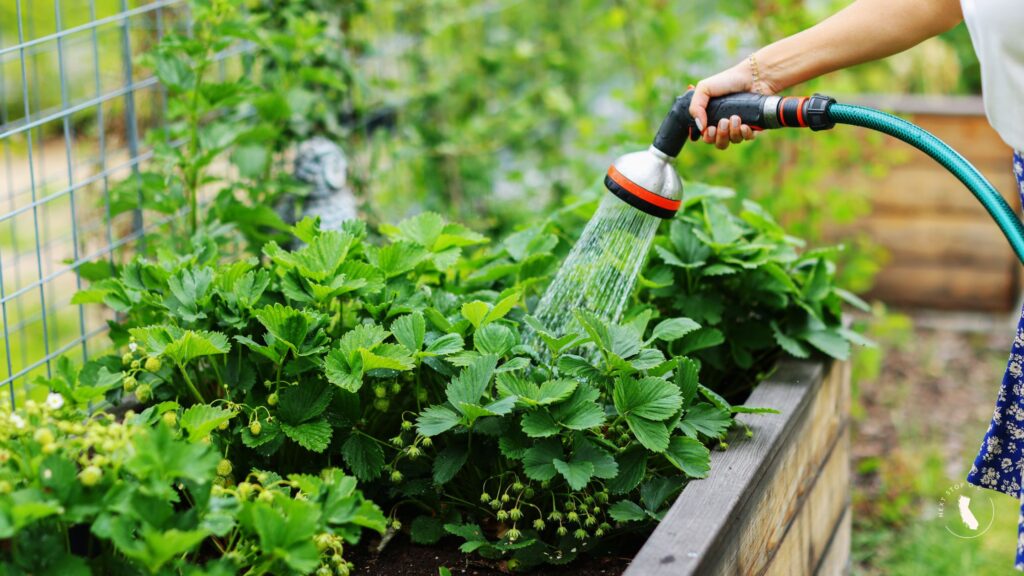
One of the biggest challenges in container gardening is overwatering. Unlike in-ground gardens, container plants don’t have the ability to draw excess water deeper into the soil. This can lead to root rot, yellowing leaves, and mold growth.
Signs of Overwatering:
Leaves are turning yellow or wilting, even though the soil is damp.
You notice mold or algae growing on the soil surface.
Your plant’s roots look brown and mushy instead of white and firm.
How to Prevent Overwatering:
- Use Pots with Drainage Holes: Every container should have at least one drainage hole at the bottom.
- Elevate Pots on Risers: Raising your pots on plant stands or bricks improves airflow underneath and helps excess water escape.
- Add a Layer of Gravel or Perlite: A 1-inch layer of small stones, gravel, or perlite at the bottom of your container helps water drain more efficiently.
- Self-Watering Planters: These allow your plants to draw up only the water they need, preventing soggy soil.
Pro Tip: Use the finger test before watering—stick your finger about 1-2 inches into the soil. If it’s dry, it’s time to water. If it’s still damp, wait another day.
Other Common Small-Space Gardening Challenges
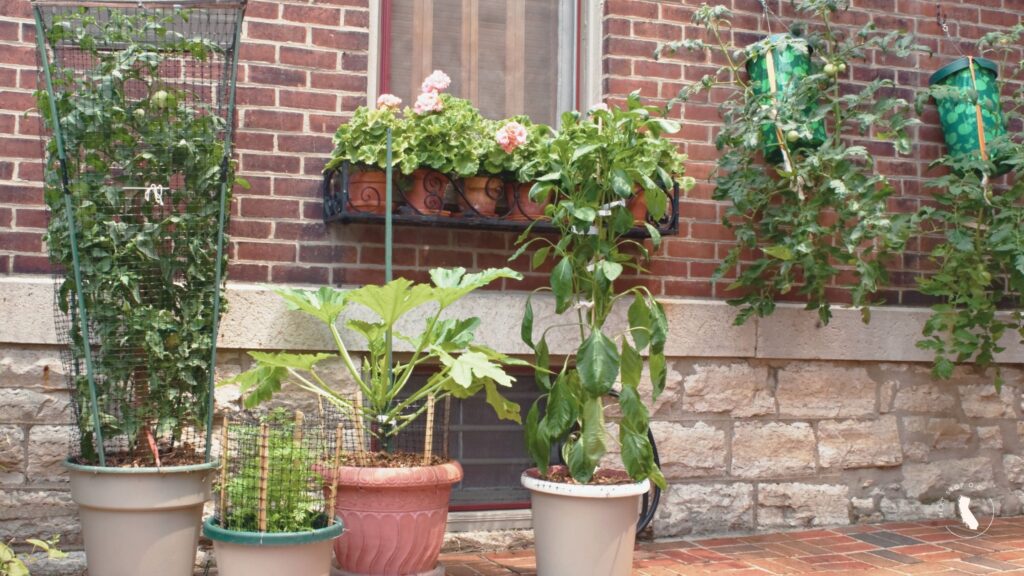
Limited Space
- Solution: Utilize vertical gardening techniques, hanging baskets, and multi-tiered plant shelves to grow more in less space.
Too Much Wind (for High-Rise Balconies)
- Solution:
- Use wind-resistant plants like rosemary, thyme, and succulents.
- Place tall plants along the railing to block wind for more delicate ones.
- Use windbreaks like bamboo screens or acrylic panels.
Birds Eating Your Crops
- Solution:
- Drape lightweight garden mesh or row covers over plants.
- Hang shiny objects like old CDs or wind chimes to scare birds away.
Extreme Heat on South-Facing Balconies
- Solution:
- Provide shade during peak sun hours using umbrellas or shade cloths.
- Use light-colored pots to reflect heat instead of absorbing it.
Final Thoughts on Overcoming Gardening Challenges
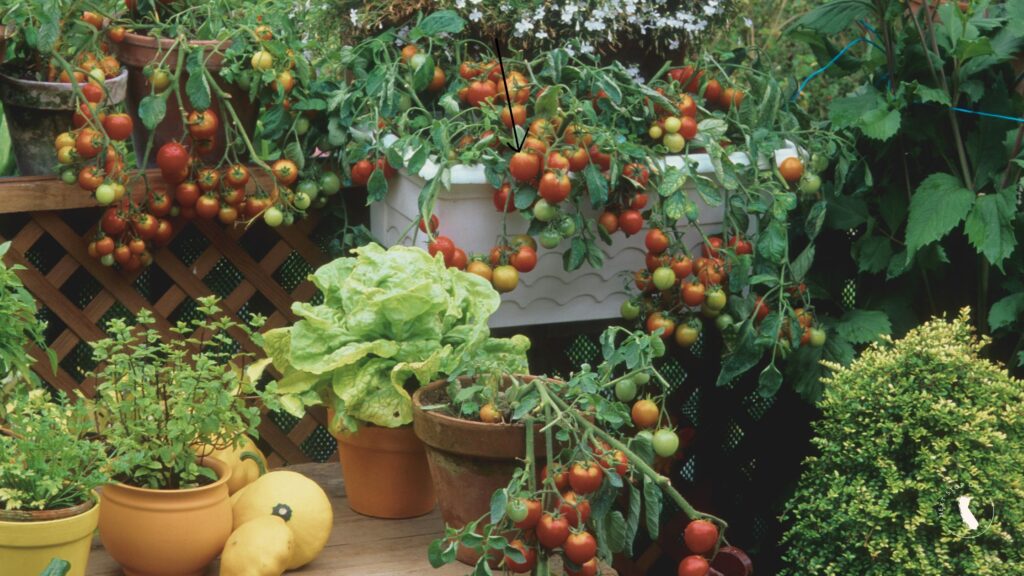
Even with a small balcony or patio, challenges are part of the journey—but they don’t have to stop you! By making simple adjustments, you can create a thriving, problem-free vegetable garden in any space.
Pest issues? Use organic deterrents like neem oil and companion planting.
Not enough sunlight? Grow shade-friendly plants or buy grow lights.
Overwatering concerns? Choose self-watering containers and improve drainage.
Wind or space limitations? Try vertical gardening and use windbreaks.
With these solutions, your small-space garden will be lush, productive, and much easier to maintain. Up next, I'm sharing the top tips I've received on Instagram.
Community Advice & Favorite Tips from My Followers
I asked my community for their best small-space gardening tips, and they did not disappoint! Here are some of the best:
“Use hanging shoe organizers as vertical planters for herbs and flowers!”
“Eggshells make amazing natural fertilizers and keep the bests away!”
“Don’t be afraid to start small—a few herbs on your kitchen windowsill still count!”
“Go to a local nursery right where you live because they sell what grows well in your area.”
“Grow a mix of seedlings and seeds!”
“Zucchinis, tomatoes, and cucumbers produce enough to feed a small army!”
“Start with lettuce because it's beginner-friendly, grows fast, and you get multiple harvests, which will make you feel confident enough to plant other things.”
“Set up an automatic or drip watering system so you don't have to overthink watering.”
“Don't overcrowd your patio. Airflow is essential for healthy plants so they don't get powdery mildew.”
“Make sure you get at least 6 hours of sun for best success with growing veggies.”
“Use hanging planters and plater boxes to maximize sunlight exposure.”
“Hydroponic towers are a great option for apartment living and continuous harvest.“
(Feel free to submit your own tips in the comments—I’d love to hear them!)
exploring:
Leave a comment